Buy maritimesicherheit.eu ?
We are moving the project
maritimesicherheit.eu .
Are you interested in purchasing the domain
maritimesicherheit.eu ?
domain@kv-gmbh.de · 0541-91531010
Buy maritimesicherheit.eu ?
What are orchestral arrangements?
Orchestral arrangements refer to the musical composition and organization of a piece of music for an orchestra. This involves determining which instruments will play which parts, as well as the overall structure and dynamics of the piece. Orchestral arrangements can involve adapting a piece of music originally written for a different ensemble or creating a new arrangement of an existing composition. The goal of orchestral arrangements is to showcase the unique timbres and capabilities of the various instruments in the orchestra while creating a cohesive and expressive musical performance. **
What is an orchestral musician?
An orchestral musician is a professional musician who plays a musical instrument as part of an orchestra. They are highly skilled in their instrument and are able to perform a wide range of musical styles and genres. Orchestral musicians work together with other musicians in the orchestra to create a cohesive and harmonious sound, following the direction of a conductor. They often perform in concert halls, theaters, and other venues, bringing music to audiences around the world. **

Similar search terms for Rockburn-RockJam-Adjustable-Orchestral
Top-Angebote
Products related to Rockburn-RockJam-Adjustable-Orchestral:
-
Uplift Essentials Universal Adjustable Nylon Pet Safety Seat Belt Universal Adjustable Nylon Pet Safety Seat BeltEnsure your furry companion travels in total safety with this adjustable pet seatbelt, designed to keep your pet secure and under control during every car ride. Crafted from highdensity, premiumquality nylon fabric, this durable strap provides the...35,97 $*Shipping: 0,00 $Secure redirect to the provider


-
What are orchestral cyclic large forms?
Orchestral cyclic large forms are musical compositions that consist of multiple movements or sections that are thematically related and interconnected. These forms often feature recurring motifs or themes that unify the different parts of the composition. The cyclic nature of these forms allows for a sense of cohesion and continuity throughout the entire piece. Examples of orchestral cyclic large forms include symphonies, concertos, and tone poems. **
-
How can one compose virtual orchestral music?
To compose virtual orchestral music, one can start by choosing a digital audio workstation (DAW) software that supports orchestral sample libraries. Next, select high-quality orchestral sample libraries that include a variety of instruments such as strings, brass, woodwinds, and percussion. Then, familiarize oneself with the different articulations and techniques available for each instrument to create realistic and expressive performances. Finally, arrange the orchestral parts, paying attention to dynamics, phrasing, and balance to achieve a cohesive and emotive composition. **
-
How can one compose orchestral digital music?
To compose orchestral digital music, one can start by selecting a digital audio workstation (DAW) software that supports orchestral sounds and instruments. Next, they can choose high-quality orchestral sample libraries or virtual instruments to create realistic orchestral sounds. It is important to have a good understanding of orchestration and music theory to effectively arrange the different instruments in the composition. Experimenting with different combinations of instruments, melodies, harmonies, and rhythms can help in creating a dynamic and engaging orchestral piece. **
-
What is the orchestral lineup in classical music?
The orchestral lineup in classical music typically consists of four main sections: strings, woodwinds, brass, and percussion. Each section is made up of various instruments, with the strings section including instruments such as violins, violas, cellos, and double basses; the woodwinds section including instruments like flutes, clarinets, oboes, and bassoons; the brass section including instruments like trumpets, trombones, French horns, and tubas; and the percussion section including instruments like timpani, snare drums, cymbals, and xylophones. Additionally, some orchestras may also include other instruments such as harps, keyboards, and additional percussion instruments. **

What is the orchestral instrumentation in classical music?
Orchestral instrumentation in classical music typically includes four main families of instruments: strings (violins, violas, cellos, double basses), woodwinds (flutes, oboes, clarinets, bassoons), brass (trumpets, French horns, trombones, tuba), and percussion (timpani, snare drum, cymbals). Each family of instruments plays a unique role in creating the rich and diverse sound of the orchestra. The combination of these instruments allows composers to create a wide range of textures and dynamics in their compositions, making orchestral music one of the most versatile and expressive forms of music. **
Isn't the brightness adjustable?
Yes, the brightness is adjustable on most devices such as smartphones, tablets, and computers. You can usually adjust the brightness level in the settings or control panel of the device. This allows you to customize the brightness to your preference, whether you need it brighter for better visibility in bright environments or dimmer for reduced eye strain in low-light conditions. **
Top-Angebote
Products related to Rockburn-RockJam-Adjustable-Orchestral:
-
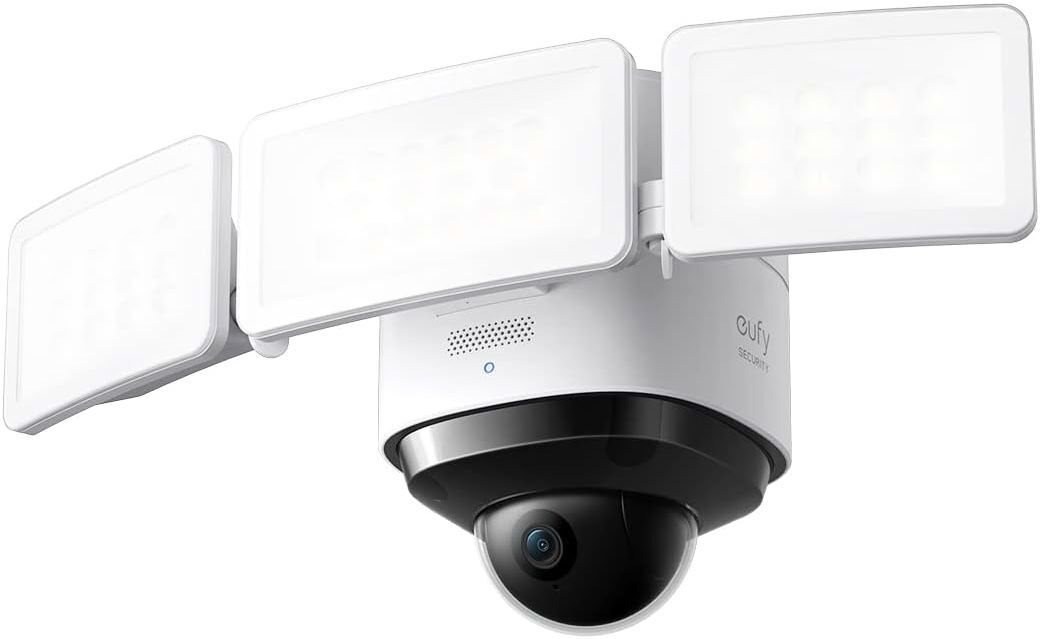
eufy Security Floodlight Cam S330 – 2K Ultra-HD 360-Degree Pan & Tilt Smart SurveillanceSecure your home with a perimeter defence system that leaves nowhere for intruders to hide. The eufy Security Floodlight Cam S330 (identified by EAN 0194644085445) is a sophisticated fusion of intelligent surveillance and high-intensity illumination. Engineered to eliminate the critical flaw of fixed-lens cameras—the blind spot—this professional-grade unit offers 360-degree situational awareness. By combining motorised motion with on-device AI, the S330 transforms your driveway, garden, or business frontage into a fully automated security hub that tracks threats in real-time. Key Features & Benefits Total Situational Awareness with 360-Degree Pan & Tilt: Effortlessly scan your entire property and eliminate hidden corners; the motorised lens allows for a full horizontal view, ensuring no movement goes unnoticed across your entire perimeter. Pro-Grade Clarity with 2K Full HD Resolution: Capture critical details with stunning precision; the high-resolution sensor provides the sharpness needed to identify facial features and vehicle details, providing actionable evidence when it matters most. Intelligent AI Subject Lock and Tracking: Stay one step ahead of intruders; the advanced on-device AI identifies human movement, locks onto the subject, and automatically pans to follow them, ensuring the target remains the centre of attention. Active Deterrence with 2,000-Lumen Dimmable Floodlights: Transform night into day; the motion-activated ultra-bright LEDs act as a powerful visual deterrent while providing full-colour night vision for unparalleled nocturnal surveillance. Zero Recurring Costs with Local Data Storage: Enjoy complete professional security with no monthly subscription fees; your footage is stored safely on-device, giving you total ownership of your data and significant long-term savings. Customisable Smart Detection Zones: Minimise frustrating false alarms; tailor the camera’s sensitivity and focus areas to ensure you only receive notifications for the movements that actually impact your security. Engineered for the Elements with Professional Weatherproofing: Designed to withstand the unpredictable UK climate, the robust housing ensures reliable performance through heavy rain, snow, and extreme temperatures. Why Choose This Product The eufy Security Floodlight Cam S330 (EAN 0194644085445)199,00 £*Shipping: 0,00 £Secure redirect to the provider
-
Uplift Essentials Universal Adjustable Nylon Pet Safety Seat Belt Universal Adjustable Nylon Pet Safety Seat BeltEnsure your furry companion travels in total safety with this adjustable pet seatbelt, designed to keep your pet secure and under control during every car ride. Crafted from highdensity, premiumquality nylon fabric, this durable strap provides the...35,97 $*Shipping: 0,00 $Secure redirect to the provider
-
What are orchestral arrangements?
Orchestral arrangements refer to the musical composition and organization of a piece of music for an orchestra. This involves determining which instruments will play which parts, as well as the overall structure and dynamics of the piece. Orchestral arrangements can involve adapting a piece of music originally written for a different ensemble or creating a new arrangement of an existing composition. The goal of orchestral arrangements is to showcase the unique timbres and capabilities of the various instruments in the orchestra while creating a cohesive and expressive musical performance. **
-
What is an orchestral musician?
An orchestral musician is a professional musician who plays a musical instrument as part of an orchestra. They are highly skilled in their instrument and are able to perform a wide range of musical styles and genres. Orchestral musicians work together with other musicians in the orchestra to create a cohesive and harmonious sound, following the direction of a conductor. They often perform in concert halls, theaters, and other venues, bringing music to audiences around the world. **
-
What are orchestral cyclic large forms?
Orchestral cyclic large forms are musical compositions that consist of multiple movements or sections that are thematically related and interconnected. These forms often feature recurring motifs or themes that unify the different parts of the composition. The cyclic nature of these forms allows for a sense of cohesion and continuity throughout the entire piece. Examples of orchestral cyclic large forms include symphonies, concertos, and tone poems. **
-
How can one compose virtual orchestral music?
To compose virtual orchestral music, one can start by choosing a digital audio workstation (DAW) software that supports orchestral sample libraries. Next, select high-quality orchestral sample libraries that include a variety of instruments such as strings, brass, woodwinds, and percussion. Then, familiarize oneself with the different articulations and techniques available for each instrument to create realistic and expressive performances. Finally, arrange the orchestral parts, paying attention to dynamics, phrasing, and balance to achieve a cohesive and emotive composition. **
Similar search terms for Rockburn-RockJam-Adjustable-Orchestral
-
How can one compose orchestral digital music?
To compose orchestral digital music, one can start by selecting a digital audio workstation (DAW) software that supports orchestral sounds and instruments. Next, they can choose high-quality orchestral sample libraries or virtual instruments to create realistic orchestral sounds. It is important to have a good understanding of orchestration and music theory to effectively arrange the different instruments in the composition. Experimenting with different combinations of instruments, melodies, harmonies, and rhythms can help in creating a dynamic and engaging orchestral piece. **
-
What is the orchestral lineup in classical music?
The orchestral lineup in classical music typically consists of four main sections: strings, woodwinds, brass, and percussion. Each section is made up of various instruments, with the strings section including instruments such as violins, violas, cellos, and double basses; the woodwinds section including instruments like flutes, clarinets, oboes, and bassoons; the brass section including instruments like trumpets, trombones, French horns, and tubas; and the percussion section including instruments like timpani, snare drums, cymbals, and xylophones. Additionally, some orchestras may also include other instruments such as harps, keyboards, and additional percussion instruments. **
-
What is the orchestral instrumentation in classical music?
Orchestral instrumentation in classical music typically includes four main families of instruments: strings (violins, violas, cellos, double basses), woodwinds (flutes, oboes, clarinets, bassoons), brass (trumpets, French horns, trombones, tuba), and percussion (timpani, snare drum, cymbals). Each family of instruments plays a unique role in creating the rich and diverse sound of the orchestra. The combination of these instruments allows composers to create a wide range of textures and dynamics in their compositions, making orchestral music one of the most versatile and expressive forms of music. **
-
Isn't the brightness adjustable?
Yes, the brightness is adjustable on most devices such as smartphones, tablets, and computers. You can usually adjust the brightness level in the settings or control panel of the device. This allows you to customize the brightness to your preference, whether you need it brighter for better visibility in bright environments or dimmer for reduced eye strain in low-light conditions. **
* All prices are inclusive of VAT and, if applicable, plus shipping costs. The offer information is based on the details provided by the respective shop and is updated through automated processes. Real-time updates do not occur, so deviations can occur in individual cases. ** Note: Parts of this content were created by AI.